Is Your Respiratory Protection Program Actually Working?
At Dimensions, we conduct safety audits across a diverse range of industries—from pharmaceuticals and biotech to technology, manufacturing, and traditional office spaces. To ensure we capture every element of organizational health, our audits look at safety from all angles: physical, social, psychological, and regulatory compliance.
More often than not, the compliance gaps we identify align closely with OSHA’s most frequently cited violations. We regularly see issues with:
- Lockout/Tagout (LOTO): Such as lacking equipment-specific lockout procedures.
- Hazard Communication (HazCom): Such as Safety Data Sheets (SDSs) not being readily accessible to employees.
- Recordkeeping: Missing or incomplete documentation.
(These are great reminder topics we look forward to covering in future blogs!)
But there is one critical area where we consistently find major, overlooked gaps: Respiratory Protection Programs.
The Gaps We See in the Field
During our audits, we frequently encounter alarming findings, including:
- Improper Storage: Respirators left dangling from hooks in open, dusty work areas. Or piled up on a shelf.
- Outdated Fit Testing: Annual respirator fit tests that have expired.
- Neglected Maintenance: Respirator cartridges that aren’t being changed on a defined schedule; and improper storage.
- Lack of Data: No Industrial Hygiene (IH) monitoring to determine actual exposure levels.
- Skipping the Basics: Engineering controls that were never evaluated or considered before implementing personal protective equipment (PPE).
Why do these gaps happen?
In almost every case, the root cause is the same: the annual program review is either not being completed, or it isn’t being documented.
Back to Basics: The Evolution of the Standard
To understand why these evaluations are so vital, it helps to look at where the standard came from.
OSHA first adopted respiratory protection standards in 1971, drawing from the American National Standards Institute (ANSI) standard Z88.2-1969 (“Practices for Respiratory Protection”) and ANSI K13.1-1969 (“Identification of Gas Mask Canisters”).
Over the decades, this evolved into the modern 29 CFR 1910.134 standard. While the regulation has been revised several times to keep pace with modern science, its core purpose has never changed: to protect workers from inhaling hazardous airborne contaminants and to ensure the respirators themselves do not pose a health hazard to the wearer.
Under 29 CFR 1910.134, employers must establish a comprehensive, written respiratory protection program. Key components of a compliant program include:
- Hazard Identification & Exposure Assessment
- Hazard-Specific Respirator and Cartridge Selection
- Procedures for Proper Use, Storage, and Maintenance
- Annual Employee Training
- Annual Fit Testing
- Initial and Periodic Medical Evaluations
- Regular Program Evaluations (OSHA requires these annually, but more frequent reviews are best practice)
Tips & Considerations: The Trap of “No News is Good News”
The biggest hurdle with Program Evaluations is that they are often assumed to be unnecessary.
There is a common perception that if a respiratory program is “humming along” and there are no employee complaints, everything must be working perfectly. However, silence does not equal safety. Without structured, regular evaluations, slow-drifting habits—like improper storage or missed cartridge change-out schedules—go unnoticed until an OSHA inspection or, worse, an employee illness occurs.
Pro-Tip: Don’t wait for your annual review to check in. Conduct bite-sized quarterly spot-checks on respirator storage and cartridge logs. It keeps compliance top-of-mind for your team and makes the formal annual program evaluation a breeze.
Want to audit your own program?
We’ve put together a Respiratory Protection Program Self-Assessment Guide to help you identify potential compliance gaps before they turn into costly citations.
[Click here to download Your Free Guide] and take the first step toward a safer workplace today!
Need a more comprehensive or ‘independent eye’ review? Our team of health and safety experts is always here to help. Contact us today to schedule a consultation.
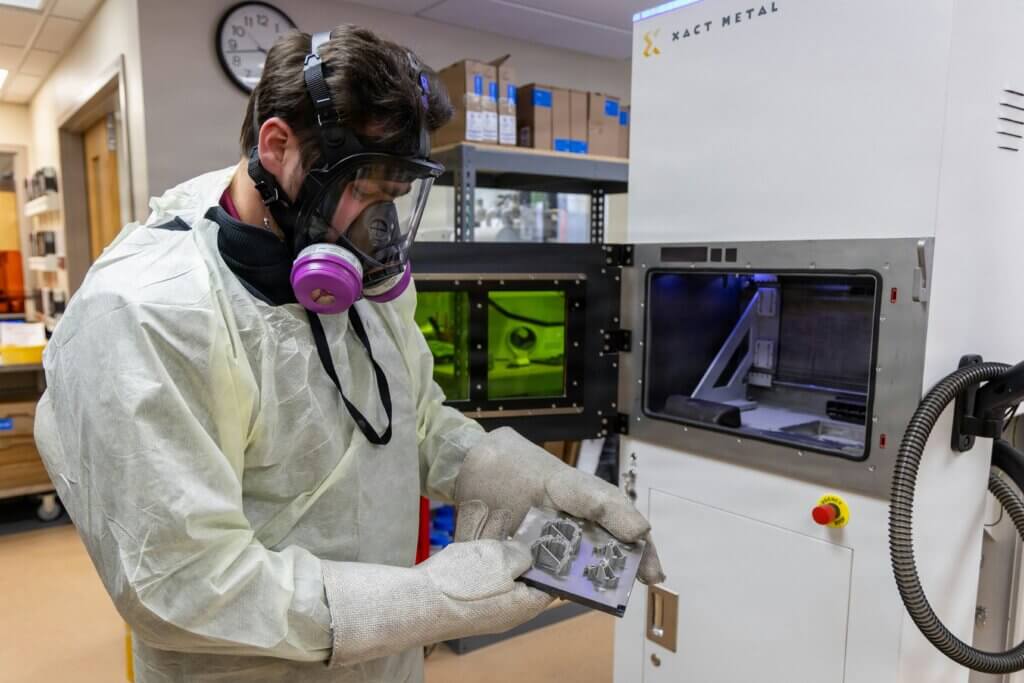
Photo by Navy Medicine on Unsplash