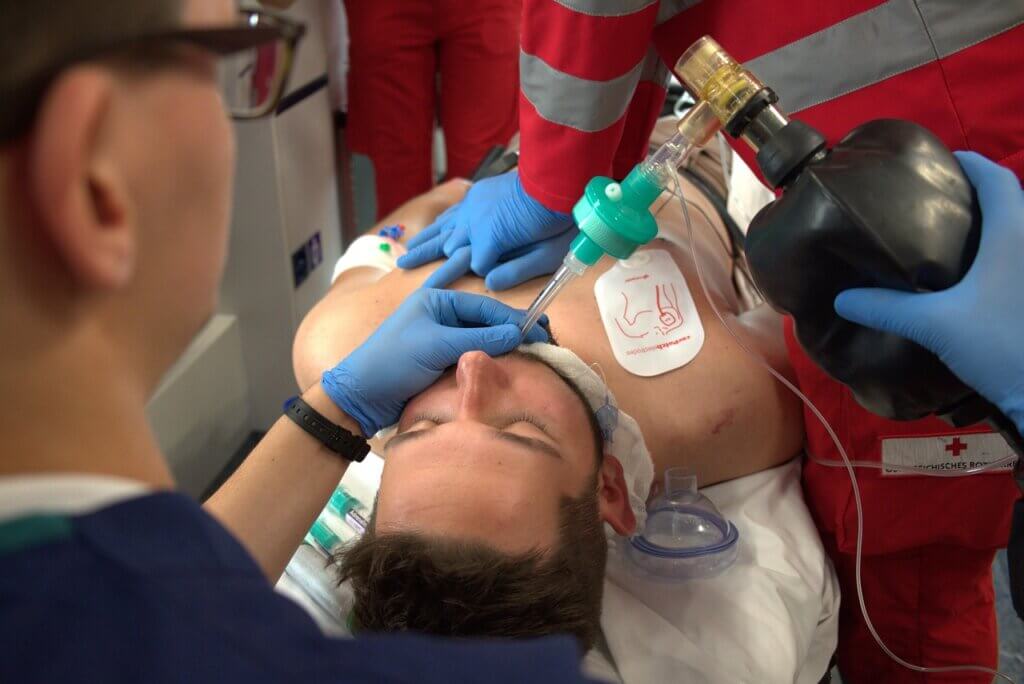
As many of you may have heard, a Senator from Connecticut suffered a stroke on October 31st while at his son’s hockey game. Although only 53 years old, he recognized the warning signs and acted immediately, which greatly improved his prognosis. His experience is a powerful reminder that strokes can happen at any age—and ensuring your employees know how to spot the warning signs can save a life.
Why Every Minute Counts
A stroke occurs when a blood vessel carrying oxygen and nutrients to the brain is either blocked by a clot or bursts. Without immediate medical treatment, brain cells begin to die within minutes, leading to permanent brain damage, long-term disability, or death.
Stroke remains a leading cause of death and serious long-term disability in the U.S.:
- Nearly 2 million brain cells die every minute a stroke goes untreated.
- Rapid treatment with clot-busting medications or clot-removal procedures within the first few hours dramatically improves survival and recovery outcomes.
- Calling 911 is the fastest way to get care; emergency medical services (EMS) can begin life-saving assessment on the way and alert the hospital stroke team before arrival.
Know the Warning Signs: BE FAST
Train your Medical Response Team – even your entire workforce – to recognize the BE FAST acronym promoted by the American Stroke Association so they can act without hesitation:
- B – Balance: Sudden loss of balance, dizziness, or trouble walking.
- E – Eyes: Sudden blurred vision, double vision, or loss of vision in one or both eyes.
- F – Face Drooping: One side of the face droops or feels numb; ask the person to smile to see if it is uneven.
- A – Arm Weakness: One arm feels weak or numb, or drifts downward when both arms are raised.
- S – Speech Difficulty: Slurred speech, trouble speaking, or difficulty understanding speech (ask them to repeat a simple sentence).
- T – Time to Call 911: If someone shows any of these signs, call 911 immediately—even if the symptoms seem to go away. Note the exact time symptoms first appeared so you can inform emergency responders.
Workplace Response & Preparedness
While waiting for EMS to arrive, your Medical Response Team (MERT) should keep the individual calm and seated or lying down, never give them food, water, or medication (including aspirin), and station an employee at the building entrance to guide the Emergency Responders directly to the scene.
Your MERT should be confident and well-equipped to recognize and respond to a suspected stroke. Stroke recognition is a vital part of the medical emergency response component of workplace first aid training, and periodic refreshers and drills should be an essential part of your Team’s ongoing readiness.
Free Resource for Your Facility Download and post this quick-reference guide in breakrooms, hallways, and near first aid stations: Be Fast Infographic (American Stroke Association)
Need help preparing your team for medical emergencies? Contact us today to schedule workplace First Aid/CPR/AED training or a customized emergency response drill for your facility.
Image by Simon Orlob from Pixabay