At its core, our tagline highlights our mission and our fundamental purpose: making the workplace a better place.
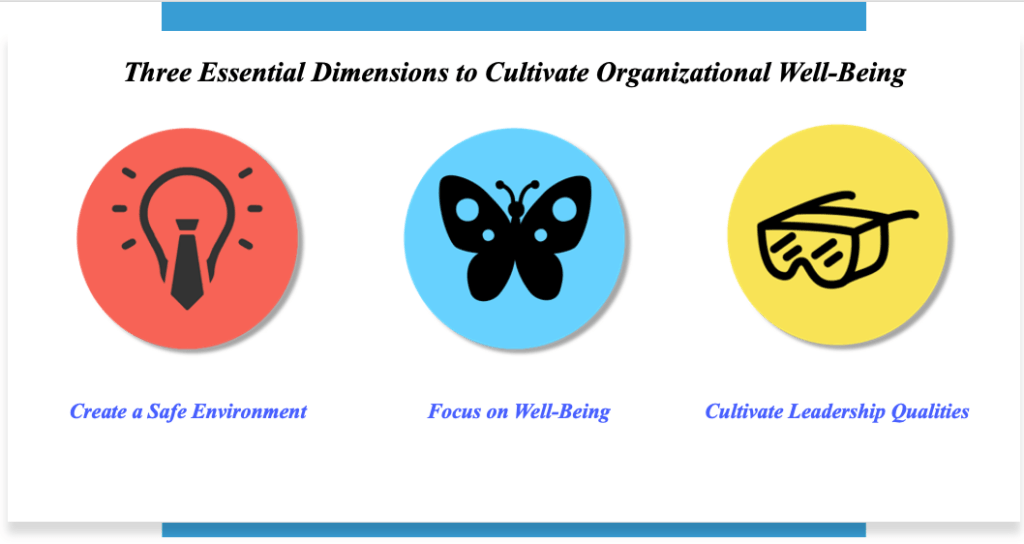
To create a truly great place to work, we believe three essential elements must come together:
- Creating a Culture of Safety (because true safety goes far beyond mere compliance)
- Focusing on Well-Being
- Cultivating Leadership Qualities
These three pillars are inextricably connected. You cannot build a genuine culture of safety or support employee well-being without strong, intentional leadership driving the effort.
In previous posts, we’ve discussed the core qualities of exceptional leaders, including Gallup’s 7 essential skills leaders must cultivate:
- Build relationships: Foster trust, sharing, and authentic connections. Ensure all voices are heard and considered.
- Develop people through coaching, mentoring, and strength building: Promote employee strengths, clear expectations, and coaching skills to cultivate leadership throughout the entire organization.
- Lead change: Embrace change and set goals aligned with a clear vision and purpose. Ensure everyone understands how their contributions matter.
- Inspire others: Use coaching and encouragement through positivity, vision, confidence, and recognition. Face challenges with courage, humility, and vulnerability.
- Think critically: Gather and evaluate information to make smart decisions—responding intentionally rather than simply reacting. Involve team members in key decisions.
- Communicate clearly and actively listen: Share information regularly and concisely while ensuring messages are heard, understood, and valued.
- Create accountability: Hold yourself and your team responsible for performance, empowering employees to take true ownership of processes.
The Human Impact: Why Leadership Qualities Matter
Cultivating these leadership skills isn’t just an executive exercise; it directly impacts how employees feel at the end of their workday and their work performance. How employees FEEL matters, perhaps more than any other criteria.
During research while at NC State, the initial research question aimed to examine motivation—specifically wellness and fitness motivation. The core question was: Why do people who are highly motivated to eat well, exercise, and maintain their health often fail to follow through on their intentions at the end of the day?
A pilot study uncovered a surprising answer. The loss of motivation wasn’t primarily driven by workload stress, long hours, or personal obligations. Instead, participants repeatedly pointed to workplace interactions and how they felt at the end of the workday.
When daily interactions with managers left employees feeling deflated, unappreciated, expendable, or worn down, their personal motivation collapsed. Rather than making healthy choices, they defaulted to sitting in front of the TV, eating fast food, and carrying a negative mindset. They reported dreading work and doing the absolute minimum just to get by.
The research shifted focus to examine how leadership and manager interactions either enhance or drain employee well-being.
Do You Know How Your Employees Feel at The End of The Workday?
Both our research and broader area studies confirm that how employees feel at work directly impacts their physical health, well-being, and overall productivity.
Knowing how employees feel at the end of their workday provides insight to the baseline of your workplace culture. Ask yourself:
- Do employees feel heard, respected, appreciated, and trusted?
- Do they have a genuine sense of connection and belonging?
- Do they feel what they do matters and contributes to the greater good?
- Do they enjoy coming to work and want to learn and grow?
- Do they believe they are cared about and supported?
- Do they perceive they are psychologically safe to admit mistakes, speak their opinion, or disagree with mainstream thoughts?
Knowing these answers provides the foundation needed to cultivate a culture of safety and well-being that lead to a great place to work.
Shifting from Task Managers to True Leaders
The skills needed to build this culture are simple yet extremely powerful, but they are often neglected in supervisor, manager, and executive team development—these are the very stakeholders who serve as role models that create the culture!
Instead, traditional manager development focuses almost exclusively on administrative task training: timesheets, productivity metrics, meeting KPIs, and performance reviews. While these managerial tasks are important to an organization, they are not the skills needed to lead. In fact, cultivating strong leadership skills is what ensures those managerial tasks are not just met, but exceeded.
Self-Awareness: The Bedrock of Leadership
Developing essential leadership skills begins with self-awareness and an understanding of what qualities matter most for employee well-being. Self-awareness and Emotional Intelligence (EQ) are the foundation of leadership qualities.
We’ve all said or done “cringe-worthy” things that we know could—and should—have been handled differently, often leaving us feeling worse than the individuals on the receiving end.
- Recognizing the cringe-worthiness of our actions and speech is the first step.
- Catching our triggers before negative emotions control our behavior and speech is the next step.
When self-awareness and emotional intelligence techniques are practiced regularly, they become habit. They reframe our thoughts and behaviors, enhancing our own well-being, our personal and professional relationships, and our team dynamics.
From this foundation of self-awareness, essential leadership qualities can be fostered, such as:
- Humility & Patience
- Respect & Empathy
- Gratitude & Active Listening
- Clear Communication & Camaraderie
When managers embody these traits, they are equipped to tackle difficult conversations, coach and mentor direct reports, and inspire high performance teams. This creates organizational well-being, safety excellence (not just physical safety, but psychological, social, and emotional safety) and a great place to work which enhances the well-being of all stakeholders. Employees feel heard, respected, and valued.
Let’s Make Your Workplace a Better Place
Contact us today to discuss:
- A tailored Assessment for your teams and/or organization.
- Identifying the essential Leadership Qualities you want to foster.
- The Best leadership development Options for your company’s goals.
[Click here to contact our team and schedule a culture consultation today.]